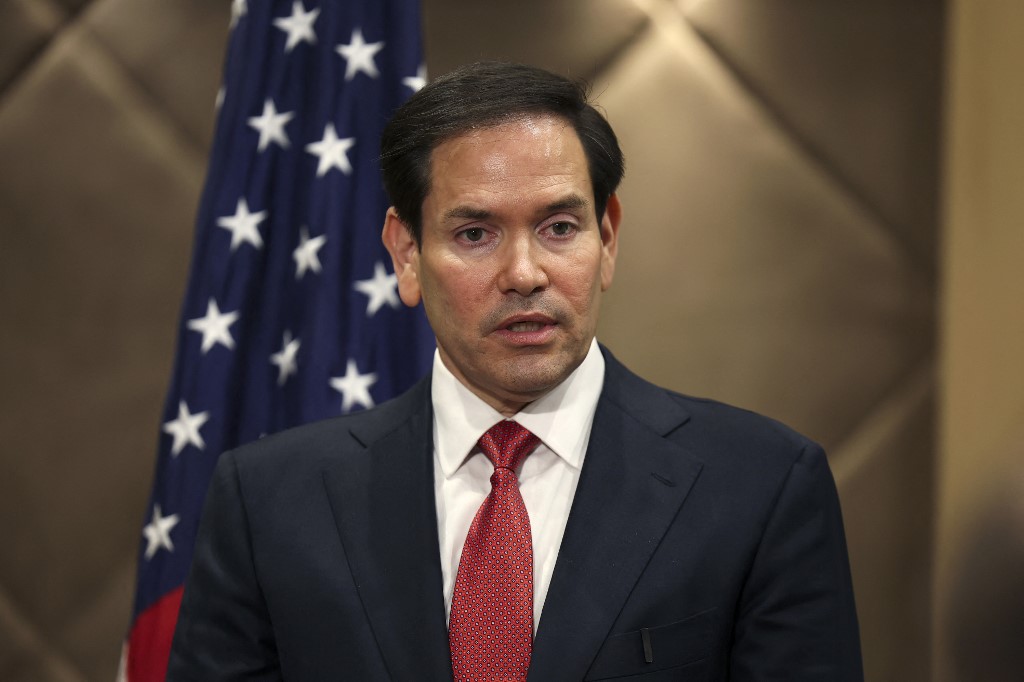
U.S. Secretary of State Marco Rubio, a hardline Republican, views Brazil’s President Luiz Inácio Lula da Silva as a “socialist threat.” Still, tasked with negotiating U.S. tariffs on Brazilian exports with Brazil’s Vice President Geraldo Alckmin, Rubio is expected to ultimately follow the lead of his boss, Donald Trump, according to analysts interviewed by BdF.
Michael Galant, senior researcher at the Center for Economic and Policy Research in Washington, D.C., stressed that Trump’s inner circle is full of contradictions and Rubio is not the only decision-maker. “Rubio can certainly be overruled by Trump and be forced to take positions he has already opposed, if Trump tells him to. So it is not hopeless,” Galant said.
James Green, professor at Brown University and an expert in Latin American politics, shared a similar view. “Rubio, like everyone who works for the president, knows he cannot confront Trump. If Trump insists on having good relations with Brazil, then it will happen,” he told BdF.
Tariffs and Trump’s unpredictability
Only weeks earlier, Trump had imposed an additional 40% tariff on Brazilian exports, raising duties to 50%, the highest in the world alongside India. The move was widely interpreted in Brazil as blackmail, framed by Trump’s allies as an attempt to pressure Brazil’s Supreme Court to absolve former president Jair Bolsonaro. The Court, however, did not yield: Bolsonaro was sentenced to 27 years in prison for attempting a coup, and the ruling consolidated Brazil’s stance as one of the few nations to openly confront Trump’s coercive tactics.
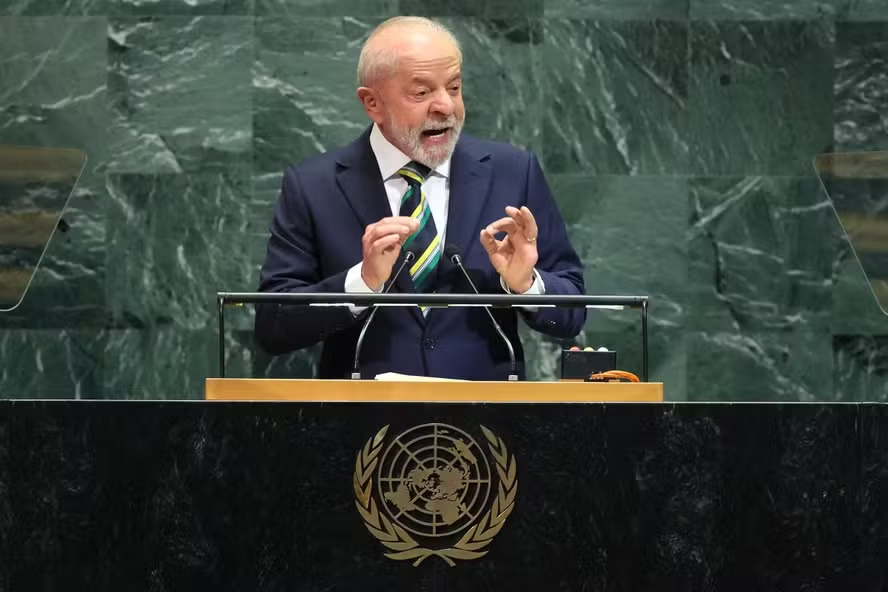
Yet at the UN General Assembly in September, Trump shifted tone unexpectedly. He claimed to have had a “friendly” conversation with Lula shortly before his speech, saying there had been “chemistry” between them, and they even exchanged personal phone numbers. The encounter paved the way for Rubio and Alckmin to enter negotiations on tariffs. But as Green warned, Trump’s erratic behavior makes any agreement fragile: “Trump is like a seven-year-old child. He craves acceptance. His friendliness toward Lula was more about that need than a strategic choice. Whether this new bromance lasts, no one can predict.”
Rubio’s hardline profile
Rubio, a Cuban-American born in 1971, has long been a fierce anti-communist voice in U.S. politics. He has led campaigns to sanction Cuba and Venezuela and has extended his criticism to Brazil, especially after the Supreme Court’s conviction of Bolsonaro, which he denounced as a “witch hunt.” He even pushed for sanctions under the Magnitsky Act against Brazilian officials, including Viviane Moraes, the wife of Supreme Court Justice Alexandre de Moraes, who presided over Bolsonaro’s trial.
For Galant, this makes Rubio “ideologically motivated and dismissive of Latin American sovereignty.” While Brazil is not his primary target, Cuba and Venezuela remain at the top of his agenda, his leadership in negotiations is seen as troubling. “He has long been close to Bolsonaro and has openly disliked Lula, particularly for opposing the U.S. blockade on Cuba. Unlike Trump, he cannot be swayed by flattery,” Galant explained.
Green emphasized Rubio’s opportunism: “Despite his hardline ideology, Rubio has shown he will swallow his pride if it keeps him close to power. In 2016, Trump humiliated him brutally during the primaries, and he still fell in line.” Rubio’s main political ambition now, Green noted, is to secure the Republican nomination for the 2028 presidential elections, unless Trump changes the rules to run for a third term.
What comes next?
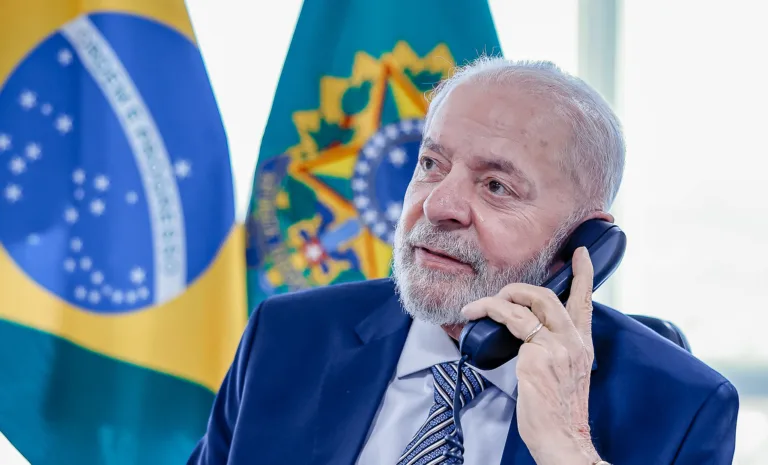
In an interview this week to TV Mirante, Lula revealed he asked Trump to ensure Rubio approaches Brazil “without prejudice.” Meanwhile, Trump allies like Paulo Figueiredo, a close partner of Bolsonaro’s son Eduardo in the U.S., praised Rubio’s appointment, calling it a guarantee of “zero progress.” Both Figueiredo and Eduardo Bolsonaro have been accused by Brazil’s Attorney General’s Office of lobbying for sanctions against their own country to influence Bolsonaro’s trial.
Analysts point out that pressure from U.S. corporations, which are suffering from the tariffs, could push the Trump administration to moderate its stance. Galant suggested that Treasury Secretary Scott Besant and other less ideologically rigid figures might become key players. Green added that tariffs on Brazilian beef and coffee are likely to be reduced but warned Trump will need to claim concessions from Brazil, such as deals over rare earth minerals, to present a “win” domestically.
“Ultimately, if Trump decides he wants good relations with Brazil, that is what will happen,” Green concluded.