Russian President Vladimir Putin declared on Thursday (2) that Western accusations suggesting Russia might attack Nato countries are “absurd.” At the same time, he said Moscow is closely monitoring Europe’s growing militarization.
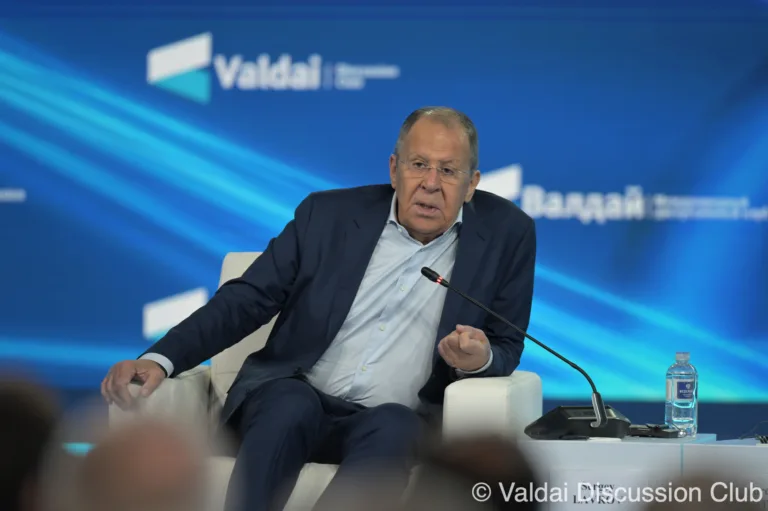
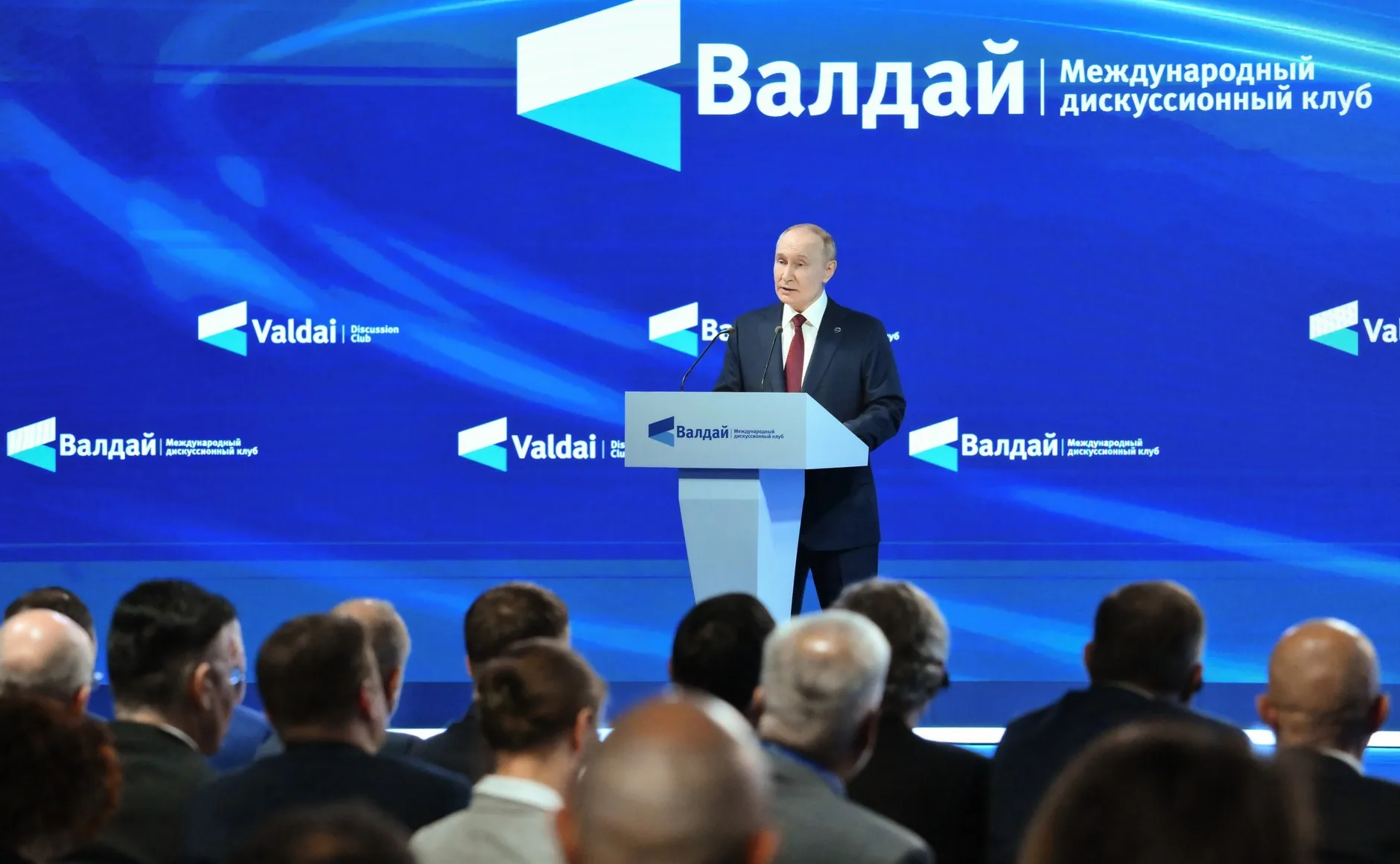
In his closing speech at the 22nd Valdai International Discussion Club in Sochi, Putin insisted that Russia has no plans to attack Nato members.
“Sometimes I listen to what they say, but it’s impossible that they actually believe it. They cannot believe what they’re saying, that Russia plans to attack Nato,” Putin said.
“It’s impossible to believe. Yet they convince their people. What kind of people are these? Either they are extremely incompetent if they really believe such nonsense, or they are simply dishonest, because they themselves don’t believe it, but try to convince their citizens,” he added.
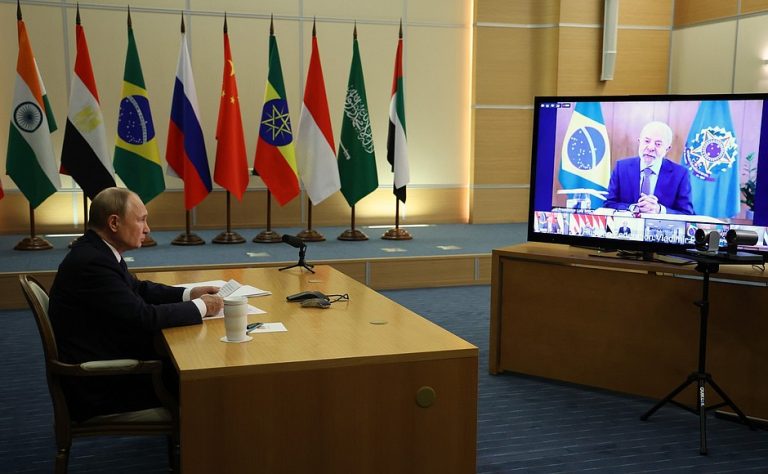
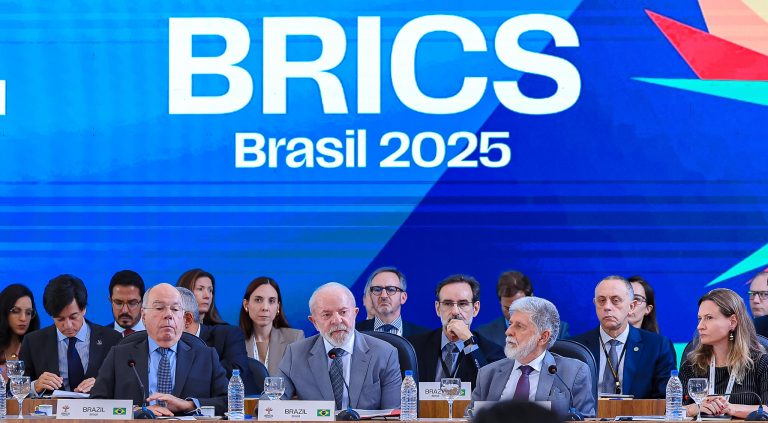
Putin also commented on the current confrontation with the West, reiterating Russia’s stance on the conflict in Ukraine and Western sanctions against Moscow. He also outlined perspectives for partnerships with Brics countries and the Global South in the context of building a multipolar order.
According to Putin, “the subordination of the majority to the minority, which characterized international relations during the period of Western dominance, is giving way to a more multilateral and cooperative approach, based on agreements among key players and consideration of everyone’s interests.”
On the war in Ukraine, the Russian president accused Western countries, particularly the Biden administration, of arming Ukraine to fight Moscow while treating the Ukrainian people as disposable.
“Those who encouraged and armed Ukraine, turning it against Russia and Russians for decades, do not care at all, not only about Moscow, but also about Ukraine’s interests and its people. For them, Ukrainians are expendable,” Putin said.
“This conflict could have been avoided if our work with the Biden administration had been structured differently, if Ukraine had not been turned into a destructive tool in the hands of others, if Nato, advancing toward our borders, had not been used for that purpose, and if Ukraine had ultimately preserved its independence, its true sovereignty,” he added.
On Western sanctions against Russia, Putin stressed that the country holds the world record for the number of restrictions but claimed that “these efforts failed.”
“In terms of the number and scope of punitive measures imposed against us, shamefully called sanctions, Russia is the absolute record holder in world history. And so what? Did they achieve their goal? I don’t think there’s any need to explain to those present that these efforts have completely failed,” he said.
Putin also claimed that European politicians are trying to “patch up the cracks” in Europe by portraying Russia as the enemy. “Does Russia want to attack Nato? It’s impossible to believe such nonsense,” he said. “This supposed Russian aggression is all invention and exaggeration. Either they are incompetent or they are lying. Stay calm, sleep peacefully, and take care of your own problems,” he continued.
He argued that if Nato had not moved closer to Russia’s borders, the war in Ukraine could have been avoided. “Changes in public consciousness in Ukraine are happening, no matter how much the authorities try to brainwash Ukrainians,” Putin said.
Multipolarity
“Multipolarity has become a direct consequence of the West’s attempts to maintain global hegemony. If the conflict in Ukraine had been resolved according to the principles of a multipolar world, the collective decision would have been more balanced,” the Russian leader added.
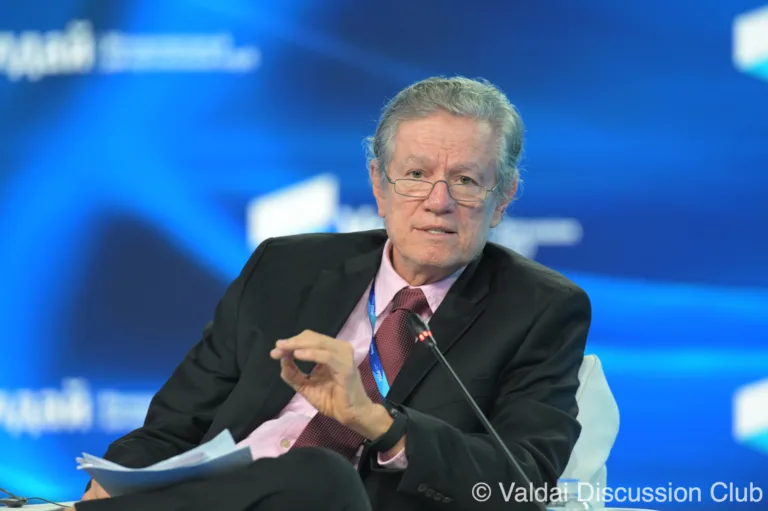
The 22nd annual meeting of the Valdai International Discussion Club took place in Sochi between September 29 and October 3, bringing together 140 representatives from more than 40 countries to debate the paths toward multipolarity.
The forum traditionally gathers academics, diplomats, and political figures to discuss central issues of the international agenda and is one of the main events in Russia’s foreign policy calendar. This year’s theme was “The Polycentric World: Instructions for Use.”