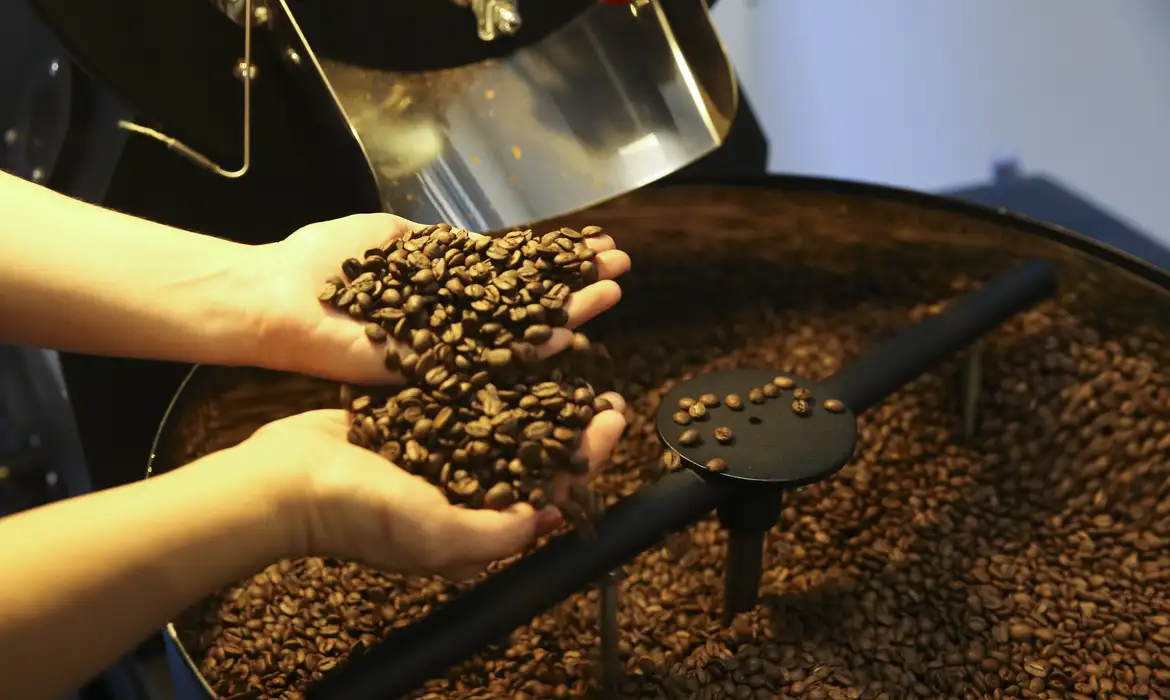

The United States government announced on Wednesday (20) the removal of the 40% tariff that had been applied to Brazilian exports since August. The measure was formalized through a new executive order signed by President Donald Trump and published on the White House website. The exemption applies retroactively to November 13 and covers items such as meat, coffee, fruits, spices, minerals, and even religious goods.
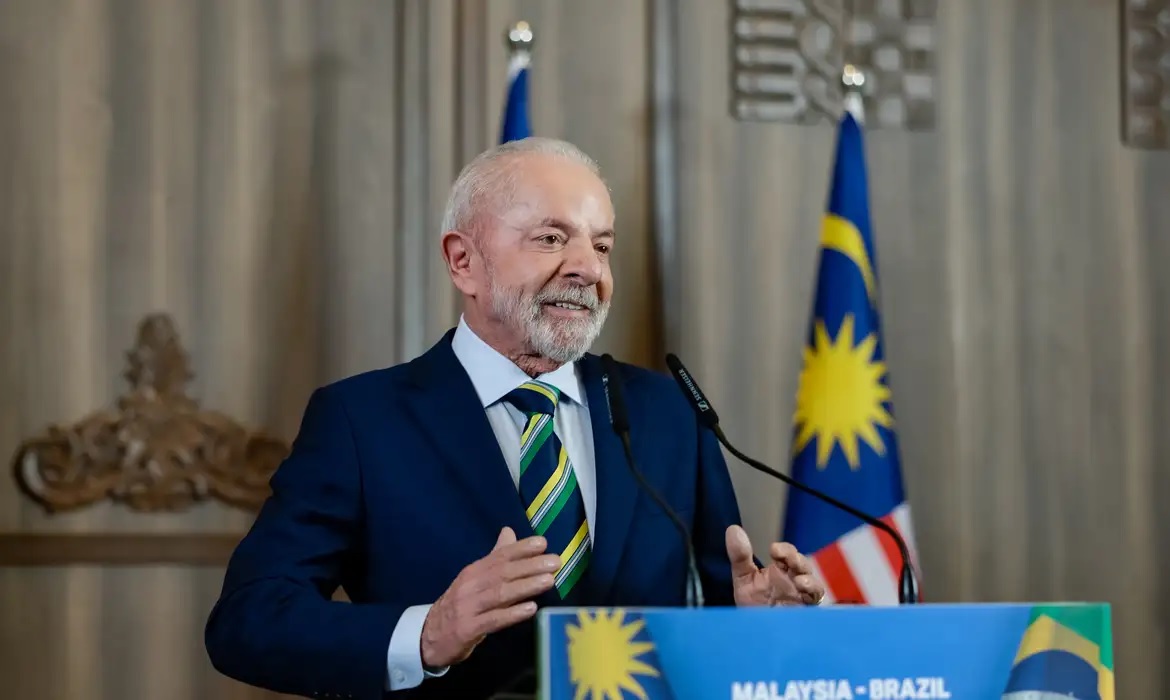
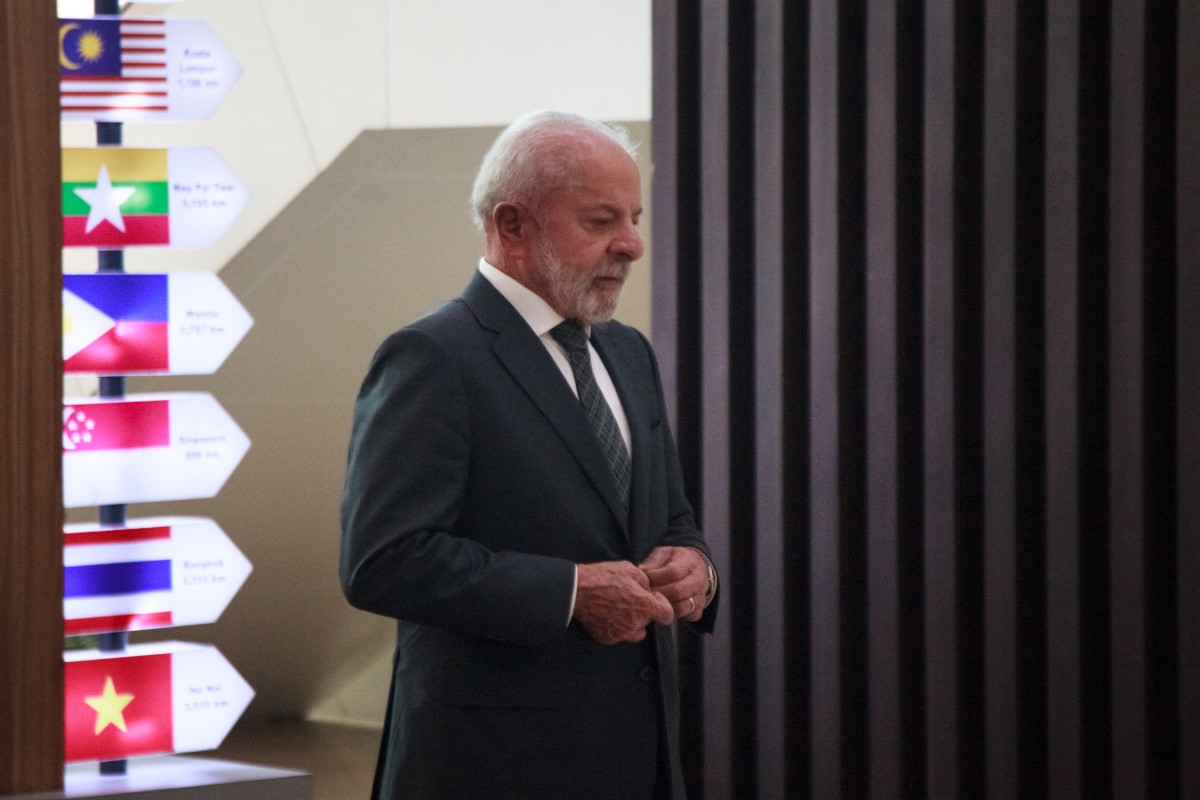
According to the document, the decision follows “initial progress” in negotiations between the governments of Brazil and the United States. Talks began on October 6, during a phone call between Trump and Brazilian President Luiz Inácio Lula da Silva. At the end of that month, the two leaders met in person in Malaysia, on the sidelines of the 47th Asean Summit, where they spoke for about 50 minutes.
The order signed by Trump states that some Brazilian imports “no longer pose a threat to the national security of the United States.” Among the items now exempt from the 40% tariff are fresh, frozen, and chilled beef, as well as edible offal such as liver and tongue. Other major Brazilian exports have also benefited, including green and roasted coffee, Brazil nuts, açaí, mangoes, plantains, avocados, and other tropical fruits. The list also includes spices like ginger, pepper, turmeric, nutmeg, and herbs, incense, essential oils, minerals, fuels, and fertilizers.
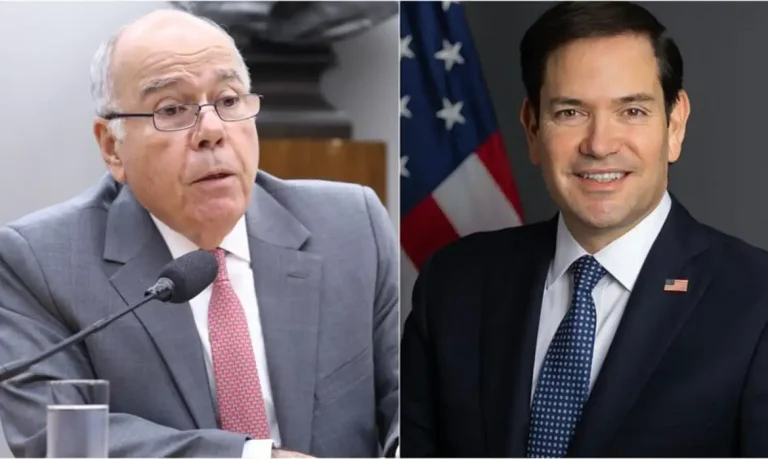
The measure assigns U.S. Secretary of State Marco Rubio the responsibility to monitor the effects of the exemption and propose further actions if necessary, while U.S. Customs is authorized to reimburse importers for tariffs already paid on the exempted products that entered the country after November 13.
Lula thanks Trump and calls for “resetting” ties
Reacting to the announcement, President Lula described the decision as “an important step” in rebuilding trade relations between the two countries.
“It’s not everything I want, it’s not everything Brazil needs, but it’s something important,” Lula said in a video posted on social media on Thursday (20). “President Trump just announced he will begin to reduce several Brazilian products that were taxed at 40%. This is a very important result.”
Standing beside Vice President Geraldo Alckmin and Finance Minister Fernando Haddad before departing for the G20 Summit in South Africa, Lula thanked the U.S. president and expressed optimism that both nations could “completely settle any commercial or political disputes.”
“He [Trump] is invited to come to Brazil whenever he wants, and I hope to be invited to Washington to reset any disputes between Brazil and the U.S.,” Lula said. “I’ll thank him only partially for now. I’ll thank him fully when everything is fully agreed between us.”
Domestic pressure behind Trump’s policy reversal
The policy change comes after weeks of internal criticism over the impact of the 40% tariffs on food prices. In July, Trump had issued Executive Order 14,323, imposing the surcharge on a wide range of Brazilian products and claiming that Brazil’s actions posed an “unusual and extraordinary threat” to U.S. economic and foreign interests.
Since then, prices of basic goods have surged. A recent Ipsos survey found that 59% of Americans blame Trump for rising costs. Official data show coffee prices up nearly 20%, beef 14%, and bananas 7% over the past year. Inflation is running at 3% annually, above the Federal Reserve’s target, while unemployment stands at 4.3%, factors that have eroded Trump’s popularity and influenced local election results, with Democrats scoring key wins last week.
Trade policy under scrutiny
Beyond the domestic impact, the tariffs imposed in August disrupted U.S. international trade. Data from the Department of Commerce show that imports fell 5.1% in August alone, largely due to reduced purchases of agricultural goods and industrial inputs. U.S. companies that had stockpiled Brazilian goods before the tariffs took effect began passing added costs to consumers as inventories dried up.
Economists warn that frequent policy reversals are fueling uncertainty and deterring importers. Meanwhile, the U.S. Supreme Court is reviewing whether Trump exceeded his legal authority in imposing the surcharges, a ruling that could invalidate part of the measures in the coming months.