European Union countries gave preliminary approval to a trade agreement with Mercosur on Friday (9). The decision still needs to be formalized in writing, but it already opens the way for the signing of a treaty that has been under negotiation for more than 25 years.
Later on Friday, the Council of the European Union is set to meet in Brussels to decide whether to authorize the agreement to move forward. The expectation is that the European Commission will secure the backing of at least 15 of the bloc’s 27 member states, the minimum required for approval. If that threshold is reached, Commission President Ursula von der Leyen could sign the treaty next Monday (12), in Paraguay.
On the European side, individual countries will not need to ratify the deal, since the European Commission has the authority to do so on behalf of the bloc. In Mercosur countries, however, each nation must ratify the agreement through its own parliament. In Brazil, approval will be up to the National Congress.
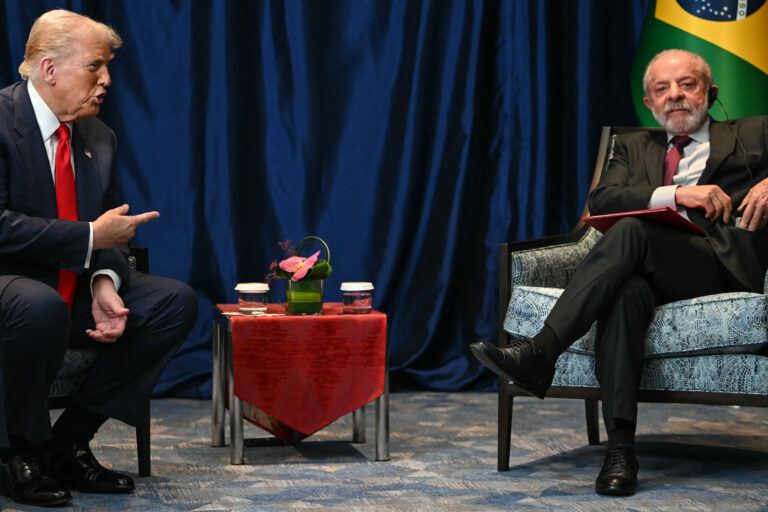
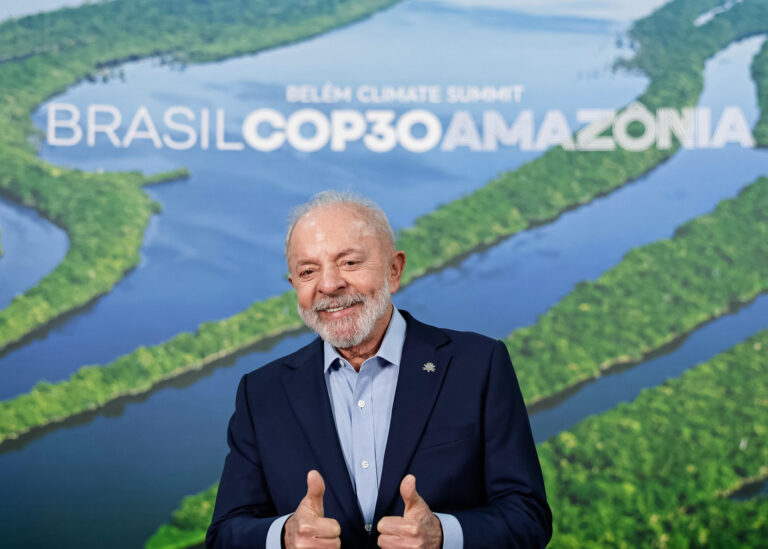
If implemented, the agreement would create a common market of 722 million people. “It’s an agreement that involves roughly US$ 22 trillion in Gross Domestic Product. It’s extremely important, possibly the largest trade agreement in the world,” President Luiz Inácio Lula da Silva said during the G20 summit in South Africa late last year. “After it’s signed, there will still be a lot of work before we can actually enjoy its benefits, but it will be signed.”
Opposition to the deal
According to AFP, a majority of the EU’s 27 countries backed the pact at a meeting of ambassadors in Brussels, despite resistance from France, Ireland, and other members concerned about the impact on agriculture.
Ahead of the vote, French President Emmanuel Macron reiterated that Paris would oppose the agreement, arguing that its economic gains for France and Europe would be limited. “While trade diversification is necessary, the economic benefits of the EU-Mercosur agreement will be limited for French and European growth,” he said in a statement.
Beyond France, opposition has been led by farmers in countries such as the Netherlands and Poland, who fear competition from Mercosur producers due to what they see as less stringent production requirements, especially in sectors like beef, poultry, and sugar. The treaty would expand South American commodity exports to the EU while making it easier for European industrial goods to enter Mercosur markets.
Other European organizations and left-wing movements have also criticized the deal, warning that it could encourage deforestation in the Amazon and exacerbate the climate crisis by increasing greenhouse gas emissions. Greenpeace, for instance, considers the agreement harmful to the environment.
In 2024, Via Campesina issued a statement urging President Lula to suspend the negotiations. According to the movement, the agreement represents a socioeconomic setback for Brazil and Mercosur and reproduces a development model with little commitment to national development.
“The agreement takes on neocolonial characteristics in its design and, in its terms, threatens our peoples and territories, undermines peasant agriculture and traditional communities, and hands over our commons to the interests of international capital, consolidating the agro-export model of our economy, which essentially means continuing to export raw materials to meet European demand in exchange for industrialized products,” Via Campesina said at the time.