Known as a “forever chemical,” trifluoroacetic acid (TFA), a highly toxic substance, has been detected in wheat-based foods such as bread, pastries, and pasta, as well as in grapes, almonds, tomatoes, and other products. The findings come from two independent studies conducted in Europe and the United States.
TFA is released when products containing per- and polyfluoroalkyl substances (PFAS) break down in soil. PFAS compounds emerged in the mid-20th century, initially used in nonstick cookware, and later spread to a wide range of products, including cosmetics, adhesives, and pesticides.
According to publications by Pesticide Action Network Europe (PAN Europe), a civil society organization specializing in pesticide research, TFA is linked to male reproductive disorders and is harmful to the thyroid, liver, and several immune system functions in humans.
Highly resistant to degradation, the substance accumulates in the environment and in the human body, taking hundreds or even thousands of years to disappear.
On December 4, PAN Europe published a study on TFA contamination in food and called for a ban on PFAS-based pesticides.
“Everyone is exposed to TFA through multiple pathways, including food and drinking water,” said Salomé Roynel, PAN Europe’s policy officer. “Our findings reinforce the urgent need for an immediate ban on PFAS pesticides to stop contamination of the food chain,” she stated in a note published on the organization’s website.
Contamination found in 81% of samples
The study analyzed 66 food products from 16 European countries and detected TFA in 81% of the samples. The chemical was found in breakfast cereals, sweets, pasta, croissants, whole and refined breads, and flour. In these products, TFA concentrations were extremely high, reaching levels up to 107 times greater than those found in tap water.
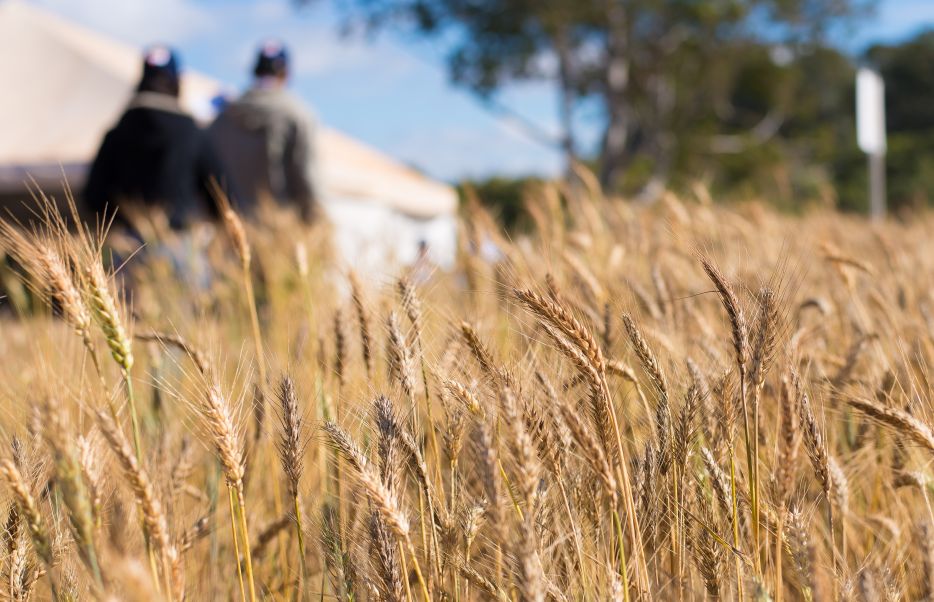
“Due to its high solubility, TFA accumulates in water and soil, where it is absorbed by plants. Studies indicate that wheat may be particularly efficient at accumulating TFA, which may explain the high concentrations found in products such as bread, pasta, and baby biscuits,” PAN Europe noted in a publication.
Regarding the foods analyzed, the study emphasizes that the source of contamination was pesticide use.
Also found in California
Research by the Environmental Working Group (EWG), a U.S.-based environmental and public health organization, warns that forever chemicals have also been found in food grown in California.
According to the study, between 2018 and 2023, farms in the state applied an average of 1.13 million kilograms of pesticides containing PFAS each year. These chemicals were used on crops such as almonds, wine grapes, tomatoes, pistachios, and alfalfa.
Among California’s most productive agricultural regions, Fresno, Kern, and San Joaquin counties accounted for a significant share of this pesticide use. A report published by the British newspaper The Guardian highlighted the risks faced by farmworkers and nearby communities, where spraying is most frequent.
On its official website, the EWG notes that it has long warned about the health risks associated with overexposure to pesticides such as glyphosate. The organization now points to the additional threat posed by forever chemicals in pesticides, which “raises even more serious health and environmental concerns.”
The EWG also notes that the European Union has already banned many PFAS-based pesticides, including two chemicals widely used in California agriculture: bifenthrin and trifluralin.
“PFAS pesticides represent a significant but largely overlooked risk to the health of millions of people,” warned Scott Faber, EWG’s senior vice president for government affairs.
Between 2018 and 2024, exports to Brazil of pesticides banned in Europe increased by more than 50%, according to a report by the NGO Public Eye.