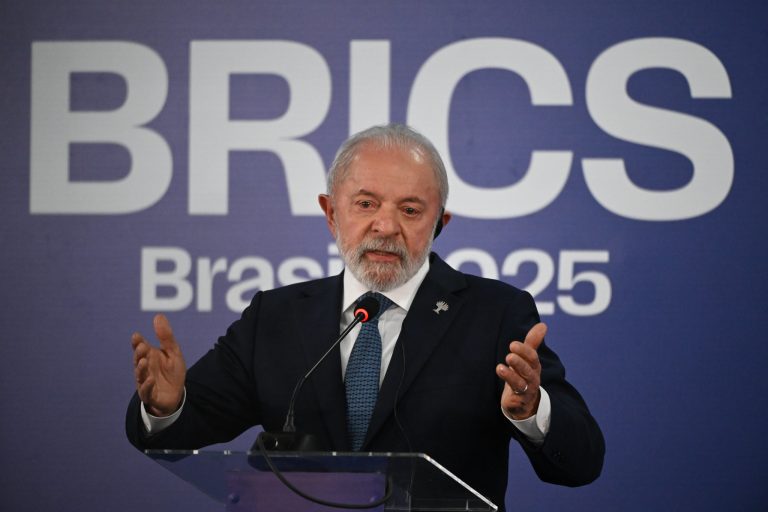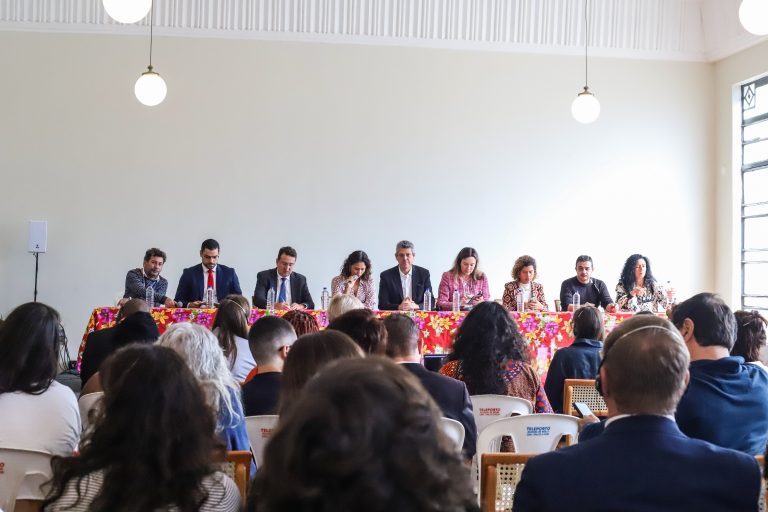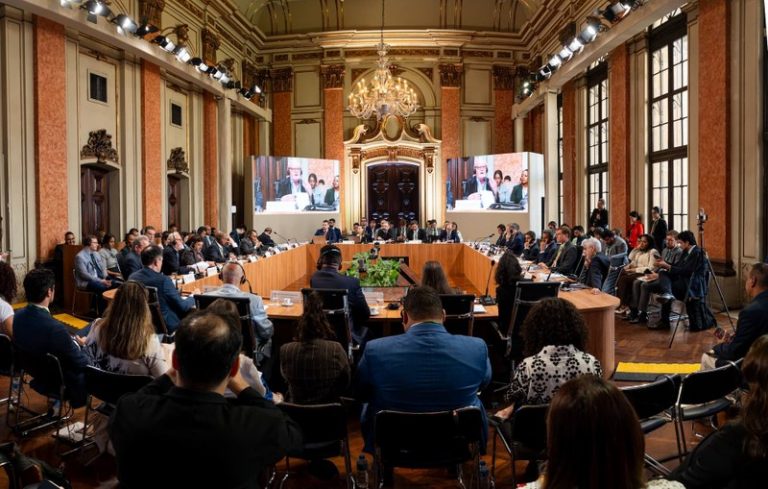
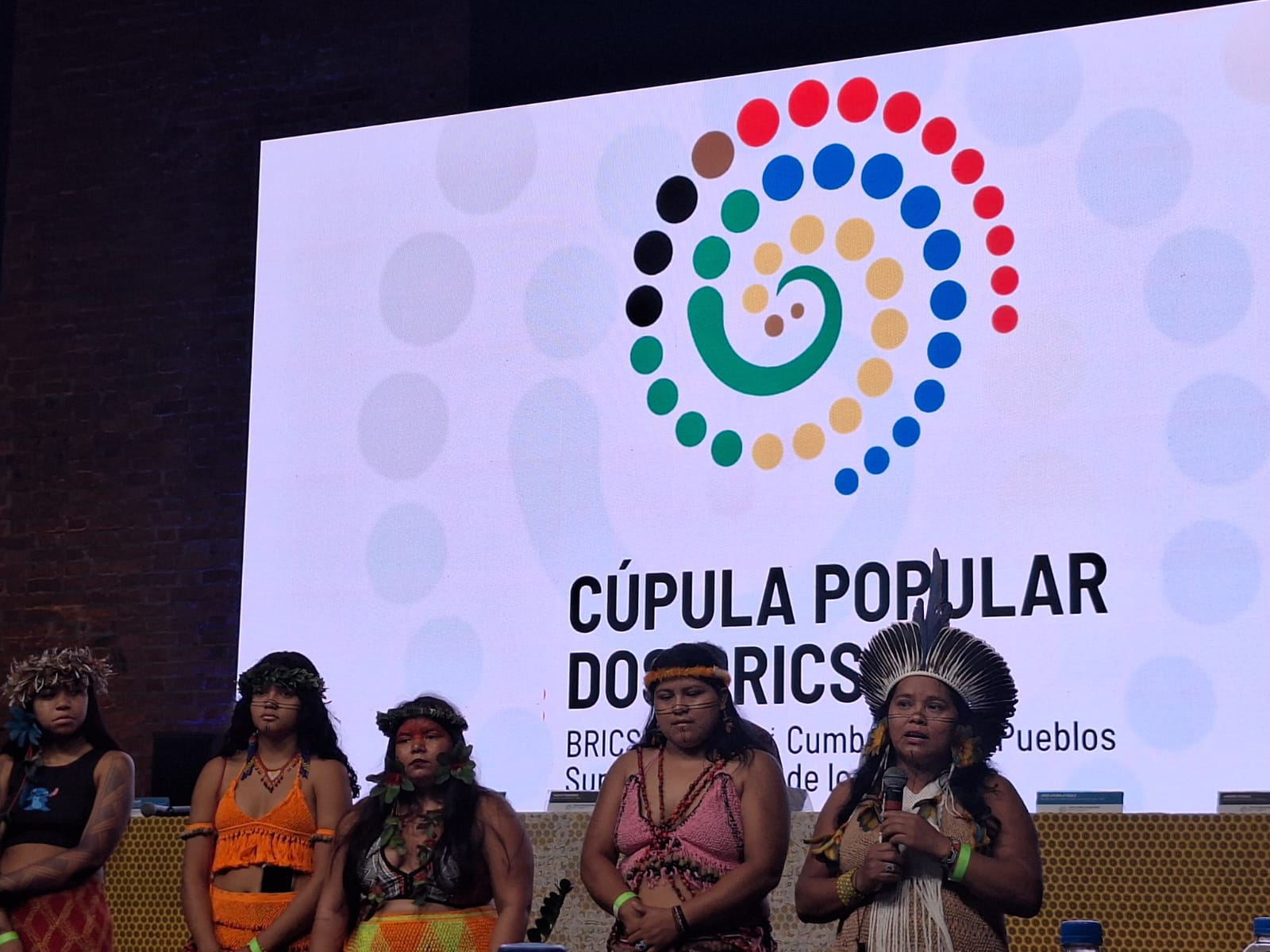
The first-ever People’s Summit, which begins this Monday (1), closes Brazil’s 2025 term at the helm of the Brics, the bloc that unites major Global South countries such as Russia, India, China, and South Africa. The four-day meeting in Rio de Janeiro, Brazil, brings together civil society groups to debate how member countries’ social movements can expand their participation in global governance.
More than 150 representatives from movements in 21 countries are attending, discussing issues such as economic cooperation, the construction of a multipolar world order, and the de-dollarization of international trade. The integration of civil society into Brics was initiated under Russia’s presidency in 2024 and consolidated by Brazil this year.
Among the participants is João Pedro Stedile, national leader of Brazil’s Landless Workers’ Movement (MST), who said movements are demanding the strengthening of the Brics Civil Council.
“It is unacceptable that resources for international cooperation are controlled exclusively by finance ministers. We want a voice so that public-interest projects can also access Brics funds, because without resources it will be very difficult to put into practice the many good ideas we all share,” he said in his opening remarks.
Speaking to BdF, Stedile emphasized that building multipolarity is another key objective. “We can no longer accept that a handful of countries on the UN Security Council run the world,” he said, arguing for “each country having the same rights and weight.” He added that popular movements will also debate regional integration and environmental protection, issues “that governments are not going to address.”
The event opened with comments from economist, professor, and writer Elias Jabbour. “This is a period marked by the global rise of peoples, and the Brics are leading debates on issues such as the struggle for peace in Venezuela, for example, the consolidation of institutions that truly represent member countries, and adaptation to climate challenges,” he said. For Jabbour, “only the Brics can offer solutions to prevent violations of national sovereignty.”
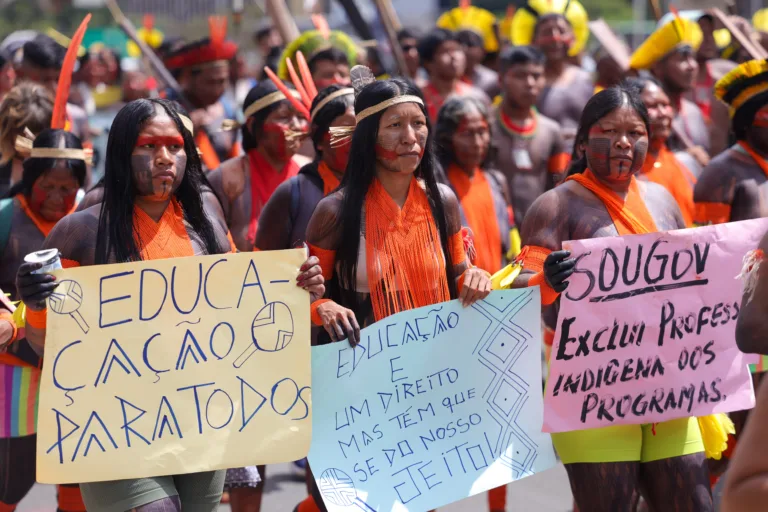
The opening also featured a cultural ceremony led by Indigenous residents of Aldeia Maracanã, an urban Indigenous territory in Rio de Janeiro’s Maracanã neighborhood, home to people from several ethnic groups and recognized as an important space for preserving Indigenous culture in the city.
Later, left-wing federal deputy Jandira Feghali expressed hope that through the Brics “we may be witnessing the emergence of a time when today’s unjust model of global governance is overcome and replaced by one capable of guaranteeing dignity, ending hunger, and making dreams possible.”
Alongside representatives of popular movements, the event also includes Brazil’s Brics sherpa, Ambassador Maurício Carvalho Lyrio; Dilma Rousseff, president of the New Development Bank (participating virtually); and Antônio Freitas, the deputy secretary for International Finance and Economic Cooperation at Brazil’s Ministry of Finance and one of the country’s leading representatives in Brics and G20 economic negotiations.
“The Brics we dream of does not belong only to government offices but to the people, to civil society,” said Dilma Rousseff in a recorded message shown to participants. She defended the New Development Bank as a key instrument for advancing development among member nations.